
Devil Jam: Metal-fueled roguelite where rhythm drives survival
In the flaming pits of the underworld, Devil Jam from Rogueside casts you as Falco, a rockstar forced to play the gig of his afterlife to reclaim his soul. The game combines survivor-like roguelite runs with rhythm-driven combat that syncs attacks to a heavy metal soundtrack, while a grid-based inventory supports deep build experimentation. Fans of high-energy action, musical mechanics, and repeatable runs will find an aggressive, tactical experience with progression between attempts.
What kind of game is Devil Jam?
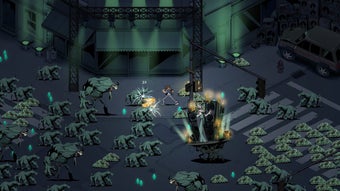
So, set on a bloodlit stage, the title plays like a top-down bullet heaven where survival depends on managing waves and performing under pressure. Combat runs on a auto-attacking cadence tied to the soundtrack, so timing changes how attacks intersect with enemy patterns. Players face escalating waves and boss duels that require spatial awareness, movement, and choosing openings when the music creates attack windows.
How does the inventory shape your builds?
The game places emphasis on item placement through a twelve-slot grid where physical arrangement creates synergies and trade-offs. This structure produces an enormous number of permutations and rewards experimentation during runs. Typical choices separate into distinct roles
- Firepower
- Defense
- Special effects
What does the game look and sound like?
Hand-drawn animation gives the underworld a comic-flavored, Belgian-studio personality that separates visuals from pixel or photoreal styles. The heavy metal soundtrack does more than set mood; it synchronizes with combat pacing so audio cues inform defensive movement. Boss encounters include theatrical set-piece fights against iconified opponents, and the presentation leans into spectacle with animated attacks and stage-like arenas framing each duel.
Is progression rewarding enough to keep playing?
Permanent meta-upgrades unlock between runs so incremental improvements carry forward and change long-term approach. Replay drivers include build experimentation and escalation of boss difficulty that reveal new interactions over time. Critics and some players flagged a grind in progression pacing, and noted the initial content roster is thinner than top genre competitors, which can limit variety for those seeking immediate breadth.
Who benefits most from this design?
The game suits players who enjoy pattern recognition, methodical kit-testing, and rhythmic challenge across repeated attempts. Players who accept repetition as part of mastery will extract depth from its systems, while those wanting instant variety or casual drop-in sessions may find the early offering lean. For patient, experimental players the title pays off through layered systems and escalating encounters.










.jpg)